S3P T&BD


Department of European Union Projects - Regional Development Fund of Central Macedonia
The overall objective of the Food Industry SMEs’ Sustainability Support and Help: FISSH project is to increase business support to enhance the sustainable future of small and medium-sized enterprises operating in the food industry.
The actions planned within the framework of the FISSH project aim to provide the best possible support and guidance to food industry SMEs in their transition to sustainability (ecological, economic and social), through the implementation of effective regional policies and with the help of recognized tools and good practices from the five project partner Regions.
The FISSH project will focus on three Thematic Focus Areas (TFAs):
The FISSH project is co-financed by the INTERREG Europe programme and has a total budget of €1,358,664. Its duration is 48 months (until 31/03/2028) and will be implemented by 7 partners in 5 regions, from Belgium, Finland, Greece, Poland and Portugal.
The Regional Development Fund of Central Macedonia is one of the 7 project partners, while the Region of Central Macedonia acts as Associated Policy Authority.
All lessons learned and project results will be analyzed with the Region of Central Macedonia as the collaborating Associated Policy Authority and the members of the Regional Stakeholder Group (RSG), which, in combination with good practices, can contribute to improving the governance of the Regional Operational Programme of Central Macedonia 2021-2027 (https://www.pepkm.gr).
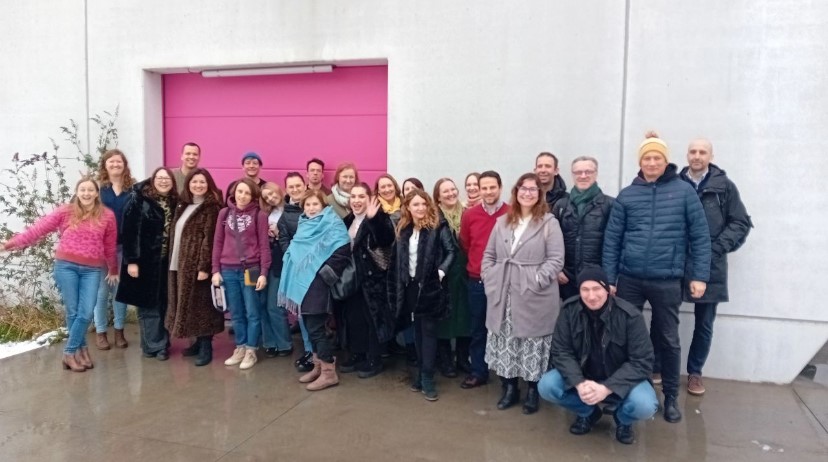
Following the pre-kick-off meeting that was held online on April 18th 2024, that served as a first interaction and meet up between the partners, the kick-off meeting, organized on May 21 and 22, 2024 by the Local Government Development Organization "ANATOLIKI S.A." as the lead partner of the FISSH project, was attended by representatives of all 7 partners participating in the project.
During the kick-off meeting, partner representatives exchanged useful knowledge and experiences to better understand the challenges facing the food sector from a sustainability perspective. Discussions focused on key areas of business support, such as sustainable business models and sustainable food production based on short value chains.
Interregional meetings between the partnership continued thoroughly during the 2nd Semester of the project, both online and in person, with the highlight of the 2nd Partner Meeting that was held in Gent, Belgium, last February, where all partners exchanged views, good practices and ideas. Especially regarding the first Thematic Focus Area of the project “Business strategies and new sustainable business models for SMEs in the food industry” that was the main objective of the 1st and 2nd Semesters of the FISSH project.
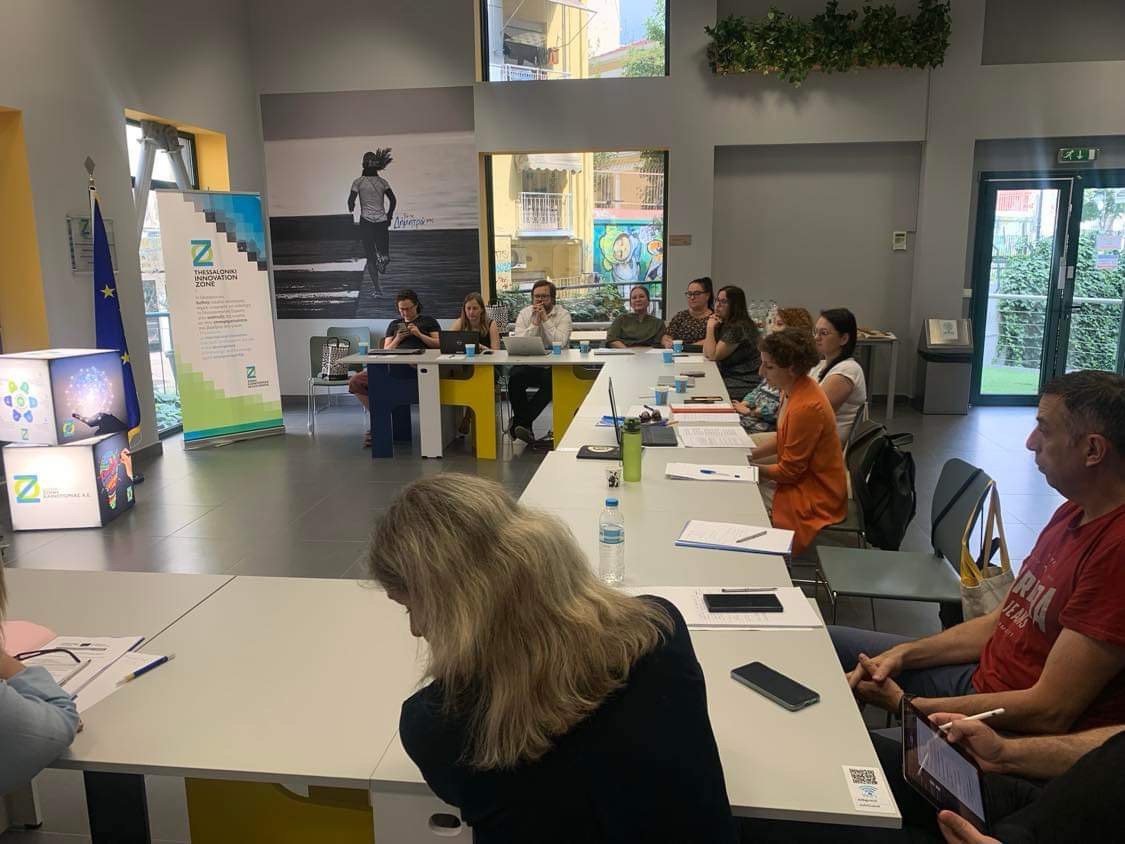
Later on, the 1st Regional Stakeholders’ Group Meeting took place in Thessaloniki organized by Lead Partner of the FISSH project ANATOLIKI S.A. – Organization for Local Development, in collaboration with the Regional Development Fund of Central Macedonia and the support of the Region of Central Macedonia (as Associated Policy Authority), on September 16th 2024.
All partners from the 4 other participating countries held their own RSG meetings during this period.
At the 1st meeting of the Greek Regional Stakeholders’ Group (RSG), ANATOLIKI S.A. presented the general aim of the project, its planning and the conclusions of the Kick-off Meeting of the Partners. The Regional Development Fund of Central Macedonia then presented the Regional Operational Program of the Region of Central Macedonia 2021-2027, the Policy Instrument and its expected impact from the project.
Furthermore, the first Thematic Focus Area of the FISSH project (TFA 1) "Business strategies and new sustainable business models for SMEs in the food industry" was presented, for which RDFCM was responsible to conduct an extended State of the Art Report, including all partners’ individual reports.
Participants in the Regional Stakeholder Groups from all participating regions, had the opportunity to refer to the scope of their organizations, the circular economy practices they use, their collaborations with local organizations, the importance of digitizing their supply chain, actions to reduce food waste and more. The difficulties faced by businesses towards sustainable actions were also mentioned, such as the lack of education/information for consumers, the low participation of start-ups in the agri-food sector, the lack of financing, etc.
All information from stakeholders was especially useful during the data collection for each partner’s State of the Art Report.
STATE OF THE ART REPORT FOR TFA 1 "Business strategies and new sustainable business models for SMEs in the food industry"
The objectives of the consolidated State of the Art Report for Thematic Focus Area 1 (TFA1) – “Sustainable business strategies and new sustainable business models for Food Industry SMEs”, were designed to provide a thorough understanding of the current landscape and future potential for Food SMEs in the participating regions.
The current situation regarding sustainable practices among food SMEs in the areas where the project partners are located is still at an early stage and there is no significant development on sustainability development in food industry SMEs. Despite the fact that agri-food plays an important role in the economy of all of our regions, SMEs pay attention to their profitability and sustainability, but do not pay much attention to their strategy regarding productivity while minimizing ecological footprint. Also, although businesses today don’t have a choice on following sustainable practices if they want to stay relevant and futureproof, most of them find many difficulties regarding clear guidelines and rules in order to implement sustainable solutions.
Technological, environmental, economic and social challenges throughout the regions are common. SMEs faces many challenges such as lack of awareness about new technologies, difficulties in obtaining financing, difficulties in implementing modern technologies. Many SMEs try to focus on environmental survival though implement green and sustainable practices despite the fact that most of them have focus on economic survival and sustainability becomes a secondary concern. Despite the difficulties and challenges, SMEs are trying to make the necessary changes in order to become sustainable in the future, and they use their efforts as part of their marketing strategy towards a strong and positive brand image.
Upskilling and training in sustainability are essential for SMEs. Development on the areas of green technologies and professional skills will enhance the competitiveness of businesses in the future. There are many educational opportunities available from governmental bodies and private sector, such as seminars, projects, courses and even education programs of different levels. Despite the variety of them small number of SMEs participate in training initiatives due to lack of time, being unable to choose between educational programs and the fact that they don’t realize the importance of them. Overall programs regarding transition towards sustainability should not be complex and difficult to be implemented. Development targets of each region are sustainable food ecosystem and new bio-economy solutions. All together educational programs, funding and policies aim to promote sustainable practices though financial support in order to align with national and European sustainability objectives.
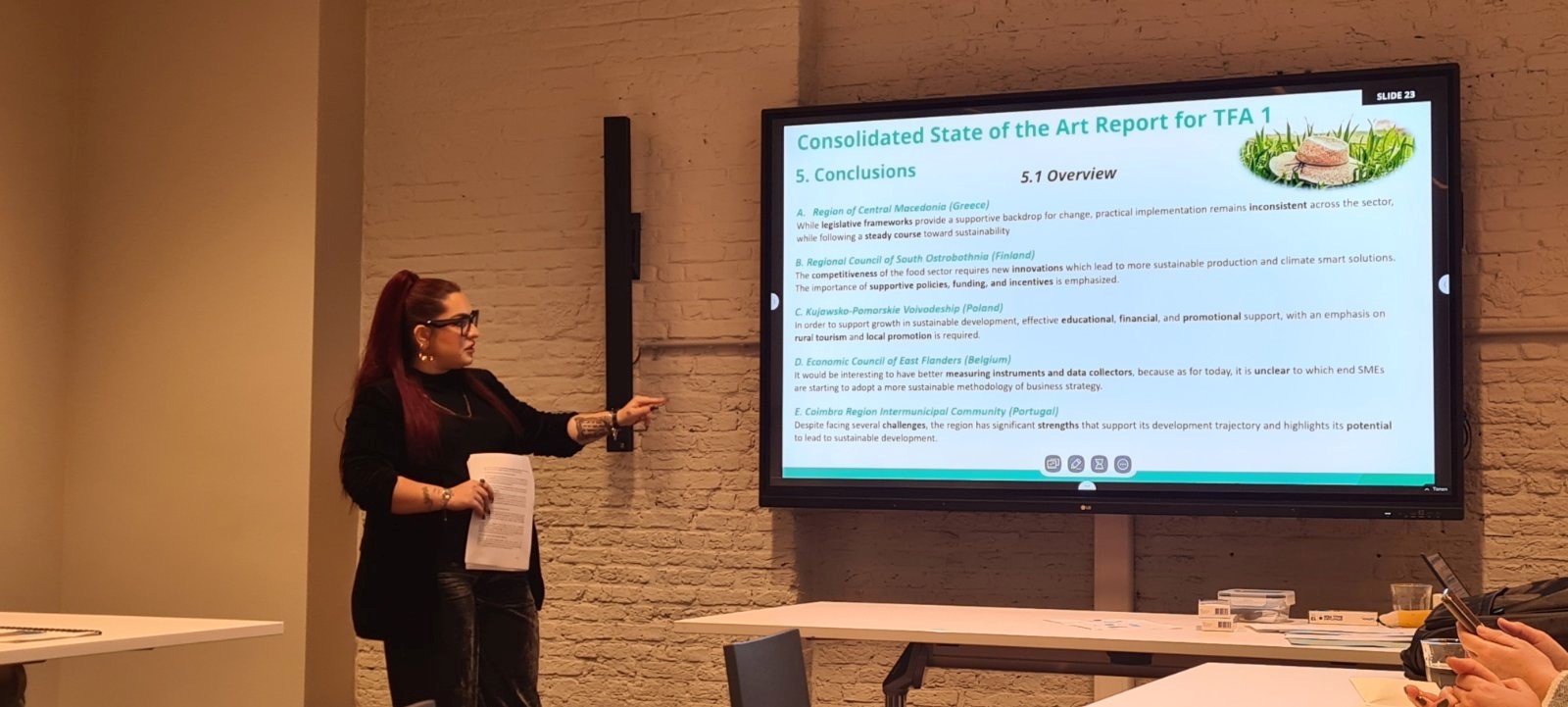
After an analysis of the State of the Art Reports from the five partner regions, Central Macedonia, Greece; South Ostrobothnia, Finland; Kujawsko-Pomorskie Voivodeship, Poland; East Flanders, Belgium; and Coimbra Region, Portugal, a set of common challenges, development needs, and recommendations regarding sustainable business strategies and new business models for food SMEs were identified.
Reports from the five regions show common trends, challenges, and opportunities in the sustainability transition of food SMEs.
While policy frameworks and funding mechanisms are available in all regions, as well as growing awareness on sustainability issues, the practical implementation remains uneven, especially among smaller enterprises.
Simplifying access to finance, supporting digital innovation, incentivizing environmental action, and scaling up upskilling could considerably strengthen the sustainability transition of food SMEs by policymakers and stakeholders. These common recommendations form a roadmap for better and more sustainable implementation of policy, supporting business mechanisms in the food industry, and sustainability-driven innovation in Europe.
The results from RDFCM’s State of the Art Report regarding TFA1, were presented in the Interregional Partners’ Meeting that was held in Gent, Belgium on 12-13 February 2025. During the meeting, organized by the Economic Council of East Flanders and attended by all partners as well as stakeholders, all members of the partnership shared inspiring Good Practices that are being implemented in their respective regions.
During the 3rd and 4th Semesters of the FISSH projects, the partnership shifts their focus to Thematic Focus Area 2 “Sustainability of the food production process and the product value chain”. The Lead Partner ANATOLIKI S.A. will conduct the consolidated report, collecting all individual partners’ reports, based on research from stakeholders, local SMEs and companies operating in the agri-food sector.
We are excited for the things to come and can’t wait to share more knowledge and practices between our respected partners, that work so hard to bring the FISSH project to life.
Discover more: