S3P T&BD


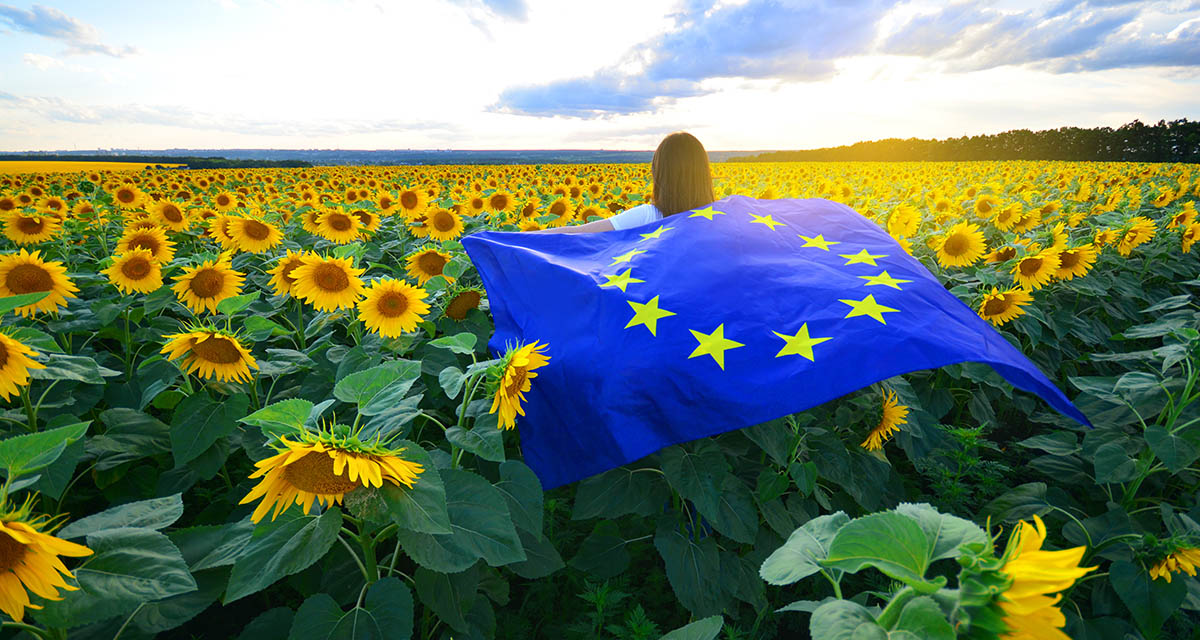
The European Commission has taken a decisive step forward in implementing its Vision for the Future of Agriculture and Food, a long-term roadmap guiding the sector toward 2040. During a meeting of the Civil Dialogue Group on CAP Strategic Plans and Horizontal Matters, DG AGRI presented the measures scheduled for roll-out in 2026 and 2027, reaffirming the EU’s commitment to empowering farmers, strengthening rural communities, and building a resilient, innovative and sustainable agri-food ecosystem.
According to Commission documentation, the Vision marks a shift in governance, emphasising coherence across policy areas, predictability for farmers, and a whole-of-society approach where public authorities, supply chain actors and consumers share responsibility for the transition.
The framework is built around four strategic pillars—Attractiveness, Competitiveness & Resilience, Sustainability and Fairness—each backed by concrete initiatives planned for the coming years.
The Commission outlined several milestones for 2026 as part of its effort to make farming more appealing and economically viable, particularly for women and new generations.
Key actions for 2026–2027 include:
These actions reflect the Vision's objective of ensuring better farm revenues, supporting farm viability, and attracting new entrants to farming.
The Commission’s 2026 agenda places strong emphasis on protecting EU agriculture from external shocks while unlocking the potential of innovation and research.
Major initiatives planned for 2026–2027:
In terms of trade, the EU will advance reciprocity measures to prevent imports containing residues of hazardous pesticides. A regulation lowering maximum residue levels of substances such as carbendazim and benomyl to “technical zero” is expected by the end of 2026.
Building a climate-neutral and environmentally sound agriculture sector remains central to the Vision, with 2026 marking key legislative assessments and new tools for farmers.
Key sustainability actions include:
Additionally, an Implementation Dialogue with Commissioner Roswall will launch in Q1 2026, supporting continuous monitoring of progress.
The fairness pillar addresses social equity, consumer expectations and the link between food systems, local territories and cultural heritage.
Key initiatives announced:
The Vision stresses that fairness extends beyond economics, aiming to ensure quality of life in rural areas, promote territorial food cultures, and harness innovation for inclusive growth.
The Commission underscores that the Vision for Agriculture and Food is a long-term transformation, linking short-term deliverables with foresight-based planning. pt2-CDG 02022025_Vision Narrati…
The overarching message is clear: farmers are the backbone of a strong European Union, and achieving the Vision requires coordinated action across every part of society—from policymakers to market actors and consumers.