S3P T&BD


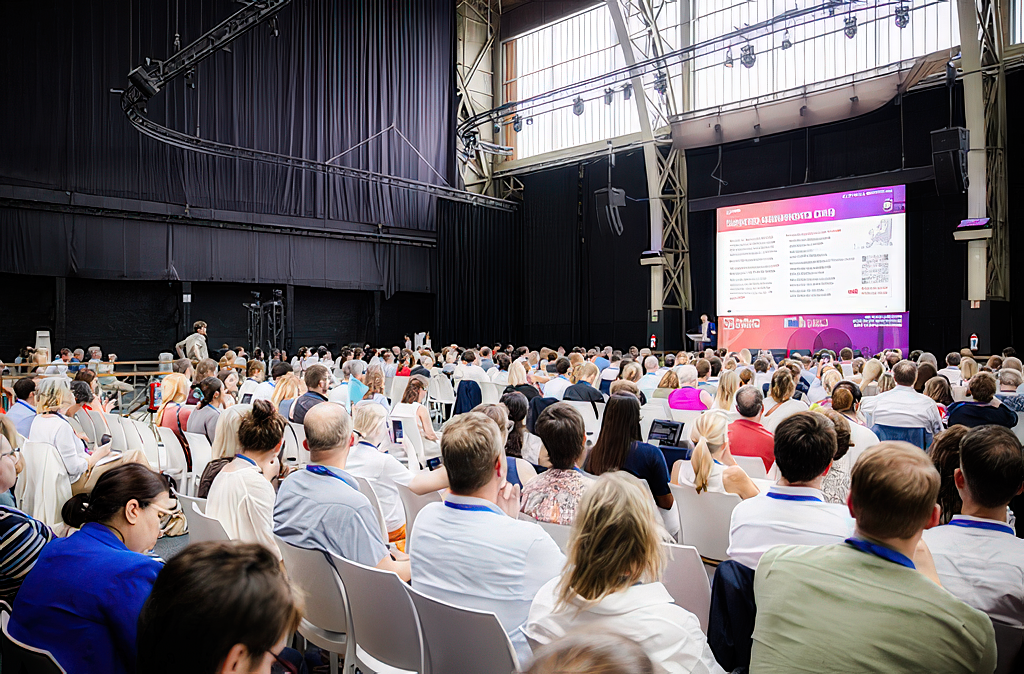
The 5th Smart Specialisation Community of Practice (S3 CoP) Annual Conference, held in Brussels on 23–24 June 2026, brought together over 400 policymakers, regional authorities, cluster organisations, research centres and innovation practitioners to discuss the future of Smart Specialisation in the next European programming period. A clear message emerged throughout the event: Smart Specialisation is entering a new phase, one in which stronger policy alignment, interregional collaboration and strategic value chains will play an increasingly important role in strengthening Europe's competitiveness and resilience.
The discussions highlighted the need to strengthen the links between regional innovation ecosystems and European industrial priorities, combining investments with structural reforms, improving governance and monitoring systems, and developing stronger pipelines of interregional projects. Speakers also stressed that Europe's competitiveness will increasingly depend on its ability to connect regional capabilities along strategic value chains and to build stronger collaboration mechanisms between regions, businesses and research organisations.
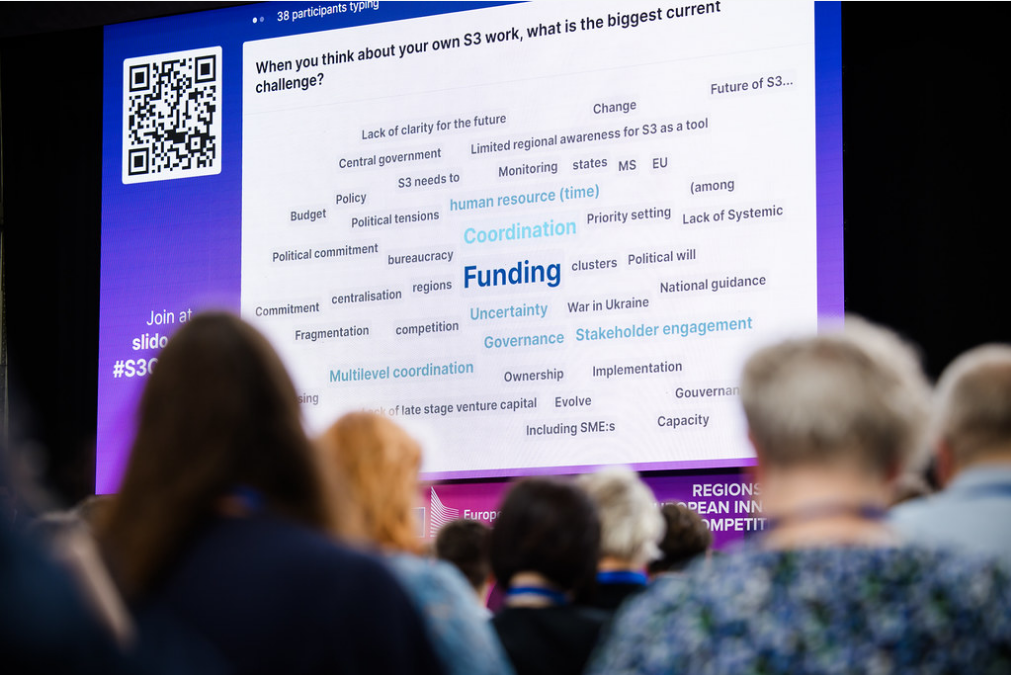
The conference also showcased the support services available through the S3 Community of Practice, including the S3 CoP Observatory, technical assistance activities, Thematic Partnerships and the newly established Learning Communities, all designed to reinforce the implementation of Smart Specialisation Strategies across Europe.
On the second day of the conference, Traceability & Big Data actively participated in the annual meeting of the S3 Thematic Smart Specialisation Partnerships (TSSPs), where Partnerships exchanged experiences, reviewed the progress achieved during the current S3 CoP cycle and discussed the future governance of the Thematic Platforms. In addition, the Partnership contributed to the Interactive Partnership Fora, participating in the Agri-food parallel session alongside the Smart Solutions 4 Agrifood and Plant-Based Food Innovation Partnerships. During the session, successful initiatives were presented and concrete examples of interregional collaboration and innovation developed within their respective networks.
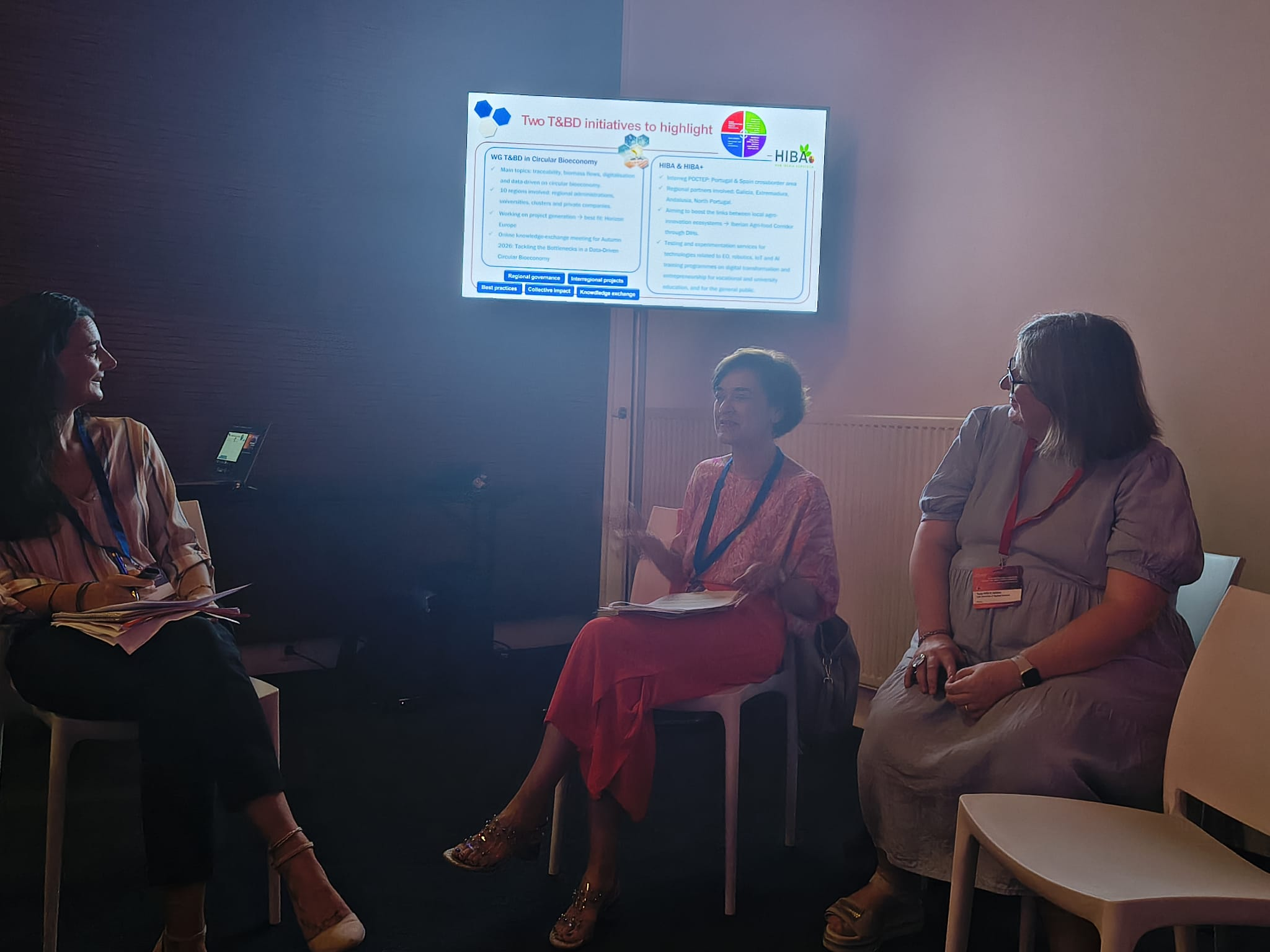
A recurring message throughout the discussions was the strategic value of TSSPs as long-term instruments connecting regional innovation ecosystems, supporting the entire innovation journey and positioning regional projects within European value chains. Particular emphasis was placed on the role of clusters in mobilising stakeholders and disseminating innovation, as well as on the importance of aligning Partnership activities with emerging EU priorities, including the future Competitiveness Fund and the next Framework Programme for Research and Innovation.
The meeting also confirmed that the main challenges facing the Partnerships remain long-term governance and sustainable funding. While no dedicated financial support is foreseen for the Thematic Platforms themselves, Partnerships stressed the need for the S3 CoP Secretariat to play a stronger role in facilitating collaboration between existing Partnerships rather than creating new ones, ensuring that emerging thematic gaps are addressed through cooperation and complementarity.
Within the Agri-food community, the eight Agri-food Partnerships continued advancing their objective of strengthening collaboration. Discussions focused on developing a more coordinated approach towards European policy engagement, increasing the visibility of the Agri-food Platform and reinforcing its role as a strategic interlocutor for the European Commission.
As Smart Specialisation enters a new stage, the Traceability & Big Data Partnership remains committed to supporting interregional cooperation, promoting digital innovation across the agrifood value chain and contributing to a more connected, resilient and competitive European innovation ecosystem.